What to Ask Before Getting Veneers in Oxnard CA
@cesarhepz835
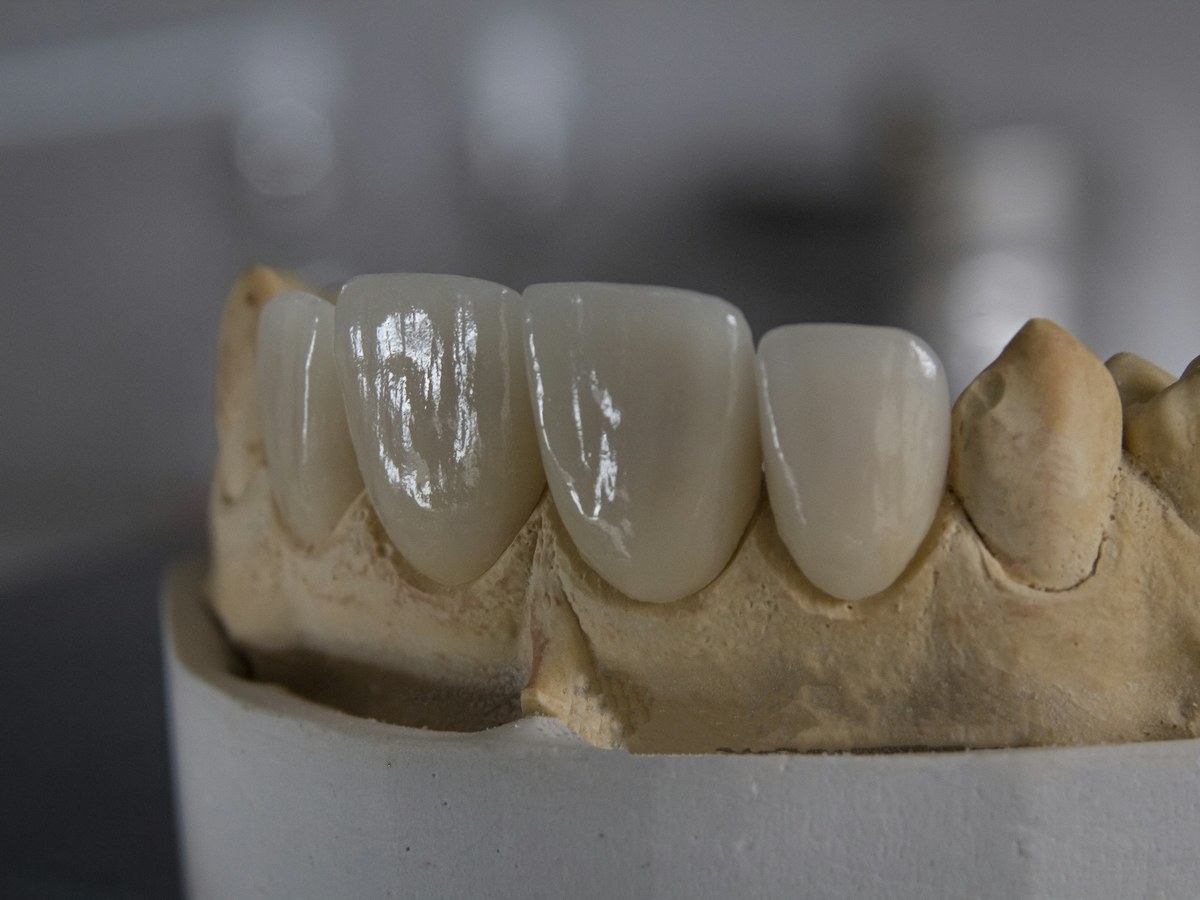
A good veneer case can change a smile in a way that looks effortless. A bad one can make teeth look bulky, flat, too white, or simply unlike the person wearing them. That is why the most important part of getting veneers is not the day they are bonded. It is the conversation you have before anyone picks up a drill or takes an impression.
People often come in asking for veneers because they want straighter, whiter, more even teeth. Sometimes they are getting married. Sometimes they are on camera for work. Sometimes they are simply tired of hiding their smile after years of chips, discoloration, or old dental work that no longer blends. The motivation varies, but the smartest patients ask careful questions before treatment starts. If you are considering Veneers Oxnard CA, those questions matter even more because treatment quality can vary widely from office to office, even within the same city.
Veneers are not just a cosmetic purchase. They are a dental restoration with long-term consequences for enamel, bite, maintenance, and budget. You want to know what is being recommended, why it is being recommended, and what the likely trade-offs are over the next ten to fifteen years, not just the next two Veneers Oxnard CA weeks.
Start with the real reason you want veneers
Before asking a dentist anything, ask yourself one thing honestly: what bothers you when you look at your teeth?
That sounds simple, but many people describe the solution before they define the problem. They say, “I think I need veneers,” when what they really dislike is one dark tooth, slight crowding, a few worn edges, or old bonding that stains. Veneers can fix those issues, but they are not always the most conservative choice.
If your main concern is color, whitening may get you much of the result you want. If the issue is alignment, orthodontics may preserve more natural tooth structure. If the problem is a chipped corner or small gap, bonding may do the job for a fraction of the cost. Veneers make the most sense when several concerns overlap, such as shape, color, size, proportion, and surface defects, especially in the front teeth.
A useful question to ask is this: “What are all the reasonable options for my smile, not just veneers?” A thoughtful cosmetic dentist will not be offended by that question. In fact, that question often separates a careful treatment planner from someone who jumps too quickly to a high-ticket procedure.
How much natural tooth structure will be removed?
This is one of the most important questions, and many patients do not realize they need to ask it.
Traditional porcelain veneers often require some enamel reduction so the restorations can sit naturally and avoid looking thick. The amount can be modest, especially in well-planned cases, but it is still permanent. Once enough enamel is removed, you are on a path of maintaining restorations over time. That does not mean veneers are a bad idea. It means they should be chosen with eyes open.
Ask your dentist how conservative the preparation will be in your case. Ask whether you are a candidate for minimal-prep or no-prep veneers, and whether those options would truly look good on your teeth. Those terms are sometimes used loosely in marketing, but they are not right for every smile. If teeth already project outward, adding material without reduction can create a bulky appearance. In other words, less drilling is not automatically better if it compromises the final result.
A dentist with real cosmetic experience should be able to explain where enamel would be adjusted, how much reduction is expected, and why that plan fits your anatomy. Vague answers should make you pause.
Are veneers even the right treatment for your bite?
Beautiful veneers placed on an unstable bite can chip, debond, or wear prematurely. This comes up more often than people think.
If you clench or grind, if your front teeth hit heavily edge to edge, or if your back teeth do not support your bite properly, veneers can be under constant stress. In those cases, the cosmetic design has to be coordinated with function. That may mean adjusting the bite, using a night guard, reshaping certain surfaces, or sometimes rethinking the number of teeth involved.
Ask directly, “How does my bite affect whether veneers are a good idea?” Also ask whether signs of grinding are present. Many patients are surprised to learn they have wear facets, hairline cracks, or jaw tenderness that suggest heavy clenching. A patient who invests in premium porcelain and then chips an incisal edge six months later usually wishes that conversation had happened earlier.
In coastal communities like Oxnard, where people are active, outdoors a lot, and often juggling stress, nighttime grinding is not rare. It is not a reason to rule out veneers, but it is a reason to plan carefully.
What will the veneers actually look like on your face?
One of the biggest mistakes in cosmetic dentistry is focusing only on teeth and forgetting the face. Veneers should fit your features, lip movement, age, skin tone, and speaking patterns. A smile that looks great in an isolated before-and-after photo can look unnatural in motion.
Ask your dentist how they determine tooth shape, length, and brightness. Ask whether they will take full-face photos, video, or a smile analysis. Ask if there will be a diagnostic mock-up or wax-up before the final porcelain is made. That preview process matters because it gives you a chance to evaluate length, edge position, and overall character before the final restorations are fabricated.
Patients sometimes assume “whiter” equals “better,” then regret choosing a shade that looks too stark in daylight. Oxnard’s bright natural light can be unforgiving. Teeth that seem glamorous under indoor office lighting can read as opaque or artificial outdoors. Good veneer design is often about restraint. Natural enamel has variation, translucency, and texture. If every tooth is uniformly bright and flat, the smile can look manufactured.
A practical question is, “Can I preview the proposed shape and length before final placement?” If the answer is yes, you are usually dealing with a more deliberate process.
How many teeth need veneers?
This is another area where patients should slow down.
Some smiles truly benefit from eight or ten veneers across the visible upper arch. Others do well with four or six. Sometimes only one or two teeth need treatment, though matching a single veneer can be more technically demanding than doing a full set. Lower veneers are less common and depend heavily on bite dynamics and visibility when speaking.
Ask why a certain number of teeth is being recommended. If a dentist suggests ten veneers, the reasoning should be clear. It may be necessary to create symmetry across the smile zone, especially if you show a broad smile. But there should be a design logic behind the number, not a generic package.
I have seen patients who only disliked two front teeth but were sold a much larger case without a clear explanation. I have also seen the opposite, where too few teeth were treated and the color transition looked obvious at the corners of the smile. The right number depends on how wide your smile is, how dark or irregular the natural teeth are, and how dramatic a change you want.
What material is being used, and why?
Not all veneers are made from the same ceramic, and the best choice depends on your case.
Ask what material the dentist plans to use and what advantages it offers for your goals. Some ceramics are prized for lifelike translucency. Others offer greater strength. The right balance depends on how much tooth color needs to be masked, how much reduction is possible, and what kind of stress the veneers will absorb in your bite.
This is not a question most patients can answer on their own, and that is fine. You do not need to become a dental materials expert. You just want to hear a clear explanation that ties the material choice to your situation. If the answer sounds like a slogan rather than a reasoned recommendation, keep asking.
A quality cosmetic office should also be able to tell you who fabricates the veneers, whether the lab focuses on esthetic work, and how the dentist communicates shape and shade to the ceramist. Great veneer cases are often a collaboration, not a one-person production.
What does the temporary phase involve?
Temporaries do more than fill space while you wait for the final veneers. They can serve as a test drive.
Ask whether you will wear provisional veneers, how long you will wear them, and what feedback the office wants from you during that period. Pay attention to how you speak, how the edges feel, whether your lips catch on the teeth, and whether the smile still feels like you.
This stage often reveals details patients could not visualize from photos alone. A person may realize the front teeth feel too long when saying certain words, or that the smile line feels too square and youthful for their face. Those are useful discoveries, especially before the final ceramics are bonded.
When a dentist treats temporaries as a meaningful part of the design process, outcomes tend to improve. When temporaries are rushed and the patient is told not to worry about shape or speech, that is not a great sign.
What are the risks, limitations, and likely maintenance?
Any dentist worth trusting should be comfortable discussing downside, not just benefits.
Veneers can chip. Margins can stain. Gums can become irritated if contours are overbuilt or hygiene is poor. Teeth underneath can still develop decay. Bonding interfaces can fail over time. If a veneer breaks, replacement is usually possible, but it is not always cheap, and exact shade matching years later can be tricky.
Ask what kind of lifespan you should realistically expect. Most dentists will speak in ranges because longevity depends on the bite, habits, hygiene, and material. That is the right approach. Be cautious of promises that sound absolute. A well-done veneer case can last many years, but it is still a restoration, not a permanent magic surface.
Also ask what kind of maintenance will be expected after treatment. You may need a night guard. You may need regular polishing visits and close monitoring of margins. If you play sports, a custom guard may matter. If you chew ice, open packages with your teeth, or bite your nails, you will need to stop.
A simple but important question is, “What tends to go wrong in cases like mine, and how do you prevent it?” That question often prompts a more candid and useful conversation than asking if veneers are “safe.”
Who is designing and placing the case?
Cosmetic dentistry is skill-sensitive. Two dentists can use similar materials and still produce very different results.
Ask how often the dentist performs veneer cases. Ask to see several examples of their work, not just one spectacular transformation. Look for variety in age, tooth shape, and starting conditions. Notice whether the results all look like the same smile copied onto different faces. That is not a compliment. The best cosmetic work tends to look individualized.
You can also ask whether the dentist does the smile design personally, how the lab is selected, and whether photographs of your face and smile are sent to the ceramist. These are not fussy questions. They are practical ones.
If you are searching for Veneers Oxnard CA, spend time reviewing actual before-and-after cases from local offices, but do it with a critical eye. Social media often rewards bright, dramatic transformations. Real quality shows up in proportion, gum symmetry, natural surface character, and how believable the smile looks from a conversational distance.
How will gum health affect the result?
Healthy gums frame veneers. Without that frame, even expensive porcelain can look off.
If you have inflammation, recession, uneven gum levels, or old crowns with irritated margins, address that first. Ask the dentist whether your gums are ready for cosmetic work and whether any periodontal treatment is needed beforehand. Sometimes mild contouring can improve symmetry. Sometimes recession or tissue instability means the timing should be reconsidered.
This is one of those details patients underestimate because they focus on tooth color and shape. But when gums are puffy or asymmetrical, veneers cannot hide that. In fact, cosmetic work may make those issues more noticeable.
What will this cost over the full life of the case?
Veneers are an investment, but the real question is not just the starting fee. It is the long-term cost of owning the dentistry.
Ask for clarity on the total fee, what it includes, and what it does not include. Does it cover records, temporaries, mock-ups, adjustments, and follow-up visits? What happens if a veneer debonds or chips within the first year? Is there any warranty or limited replacement policy? If you need a night guard, is that separate?
This is also where cheaper is not always cheaper. A low initial fee can become expensive if the esthetics are poor, if the bite was not managed properly, or if remakes are frequent. At the same time, a high fee alone does not prove excellence. You are looking for value tied to planning, skill, and follow-through.
Patients usually do better when they ask for the financial details in writing and take a day or two to think, rather than committing in the chair under pressure.
How do you know if a dentist is hearing what you want?
The best veneer consultations often involve a lot of listening. That may sound obvious, but it is not universal.
A patient might say, “I want a nicer smile,” but what they mean is, “I do not want to look fake.” Another might say, “I want them white,” but mean, “I want them brighter than now, not celebrity white.” A dentist who asks follow-up questions, studies your expressions, and reflects your priorities back to you is much more likely to deliver a result you will love.
One useful approach is to bring a few example photos, not as a request to copy someone else’s teeth, but to show what feels attractive to you. Then ask what parts of those smiles would and would not translate well to your face. A good cosmetic dentist will explain that clearly.
Here are a few questions worth bringing to your consultation:
- What other treatments besides veneers could solve my concerns?
- How much enamel would you need to remove in my case?
- How does my bite affect the longevity of veneers?
- Can I preview the shape and length before the final veneers are made?
- What maintenance and replacement issues should I expect over time?
That short list alone can improve the quality of the consultation dramatically.
Red flags that deserve a second opinion
Most dental offices are run by ethical professionals, but veneers are profitable enough that patients should still stay alert. If you feel rushed, if the recommendation seems oversized for the problem, or if you are given a generic sales pitch instead of a tailored explanation, step back.
Watch for offices that promise perfection, dismiss questions about enamel removal, avoid discussing bite, or push financing before they have done a proper exam. Be cautious if every case in the photo gallery looks uniformly ultra-white and identically shaped. That usually means the office has a house style, and it may not be your style.
A second opinion is especially valuable if your teeth are relatively healthy and the proposed treatment is extensive. Good dentistry can withstand scrutiny.
The local factor in Oxnard
There is nothing uniquely mysterious about getting veneers in one city versus another, but local habits and expectations do shape cases. In Oxnard, patients often want a smile that looks polished but not overdone. The setting matters. Bright sun, beach culture, outdoor living, and frequent face-to-face social interaction all make natural-looking cosmetic work more important, not less.
That means color selection should be thoughtful. It means shape should respect your age and facial features. It means function should hold up in real life, not just in office photos. If you are looking specifically for Veneers Oxnard CA, choose a provider who seems to understand that balance between enhancement and believability.
The smartest question of all
After all the technical questions, there is one more that often cuts to the heart of the matter: “If these were your teeth, what would you do?”
That question works because it invites honesty. A careful dentist may still recommend veneers, but the answer often becomes more nuanced. You may hear, “I would whiten first and then decide,” or “I would straighten these teeth a bit before considering porcelain,” or “I would do fewer units than you think.” Those are useful answers. They show judgment.
Veneers can be an excellent treatment. They can close spaces that have bothered you for years, restore worn edges, brighten stubborn discoloration, and create harmony where nature or time left unevenness behind. But the best veneer cases begin with the right questions, asked early, answered clearly, and tied to your specific smile.
If the consultation leaves you feeling educated rather than sold to, you are probably in the right room.
Oxnard Dentistry
1730 E Gonzales Rd, Oxnard, CA 93036, United States
+1 805-307-8731
FAQ About Veneers Oxnard CA
How long do porcelain veneers last?
Porcelain veneers can last for many years, but they can chip, loosen, or wear over time. Their lifespan depends on factors such as your bite, whether you grind your teeth, and daily care. Regular dental visits let your dentist check their condition.
Are dental veneers permanent?
Traditional veneers often require removing a small amount of enamel, so that change to the tooth is generally irreversible. Veneers can still need repair or replacement. Ask your dentist how much preparation your teeth would require.
How much do veneers cost in Oxnard?
Cost depends on the material, how many teeth you want treated, and whether you need other dental work first. Ask for a written estimate that explains the price per tooth and what is included.