Veneers Oxnard CA for Busy Professionals
@cesarhepz835
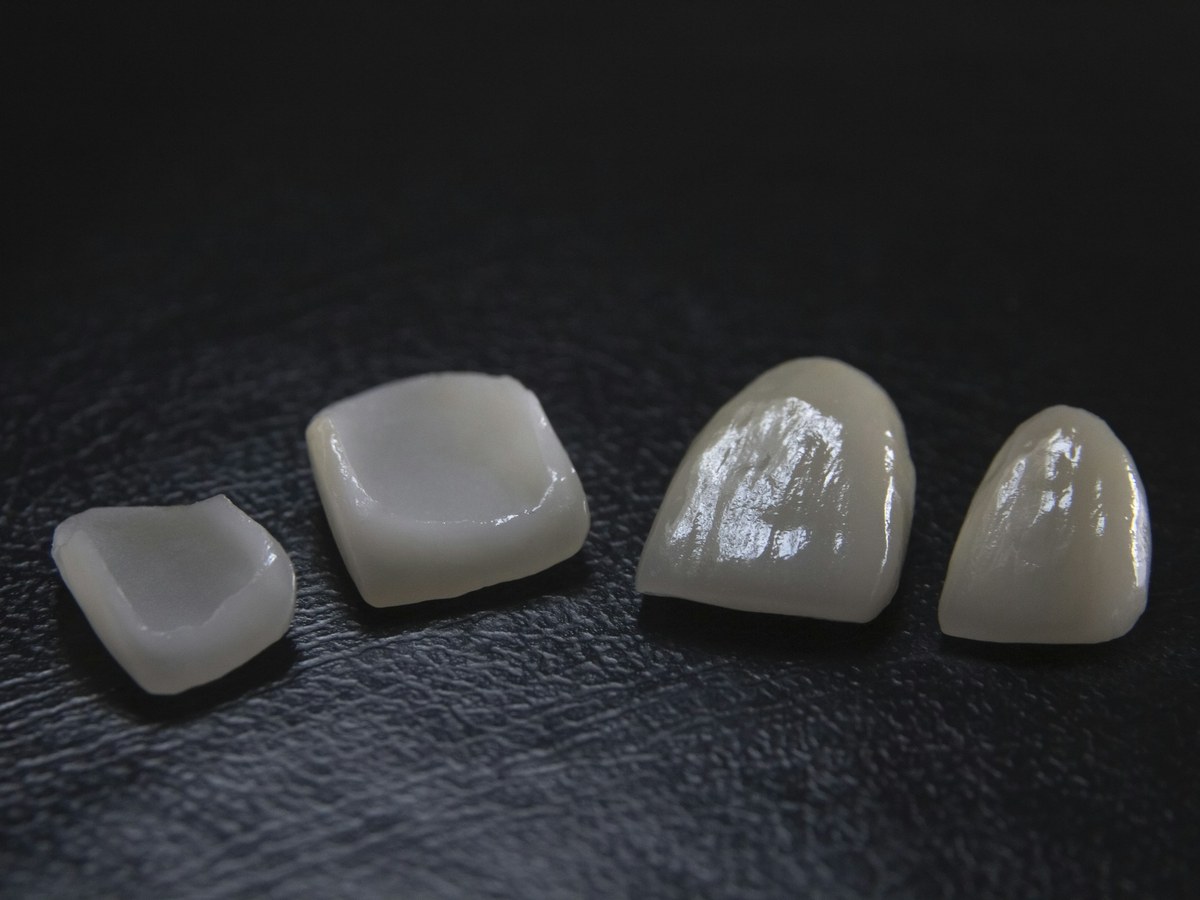
For busy professionals in Oxnard, appearance often plays a quiet but real role in daily life. It shows up in client meetings, job interviews, leadership photos, courtroom conversations, sales calls, networking events, and the simple confidence that comes from speaking without thinking about a chipped front tooth. Veneers can be a practical answer, not because everyone needs a flawless smile, but because small cosmetic issues tend to feel bigger when your work keeps you visible.
I have seen the same pattern again and again with professionals considering cosmetic dentistry. They are rarely chasing a dramatic makeover. More often, they want to fix the details that bother them every morning, a tooth that looks worn in Zoom lighting, uneven edges that stand out in photos, gaps that pull attention, or discoloration that whitening never fully touched. They want a result that looks polished, healthy, and believable. Just as important, they want a process that fits around a full calendar.
That is where the conversation around Veneers Oxnard CA becomes more specific than a generic cosmetic dentistry search. Local matters. So does scheduling, follow-up access, and a treatment plan that respects the fact that many professionals cannot disappear for repeated daytime appointments. Veneers can be an excellent option, but only when the planning is careful and the expectations are grounded in how people actually live and work.
Why veneers appeal to professionals with packed schedules
Time pressure changes how people make dental decisions. If you are managing a business, leading a team, commuting between Oxnard and surrounding areas, or balancing work with family responsibilities, you probably do not want a long chain of trial-and-error treatments. You want clarity. You want to know whether veneers are the right solution, how many visits are involved, what the recovery feels like, and whether the result will hold up during everyday use.
Veneers appeal to this group because they can address several cosmetic concerns at once. Instead of separately treating color, shape, minor chips, and small spacing issues, veneers may solve all of them in one coordinated plan. That can make them more efficient than piecing together whitening, bonding, and contouring over time, especially when those separate fixes would still leave compromises.
There is also the predictability factor. Busy professionals often prefer treatment that can be planned with precision. Veneers are not instant, but they are structured. In many cases, the process involves a consultation, preparation, temporary veneers if needed, and final placement. That sequence gives patients a clear calendar and fewer surprises.
The other reason is less technical and more personal. Work can be demanding enough without a smile issue living rent-free in your head. I have met professionals who were highly accomplished and outwardly confident, yet still angled their face a certain way in photos or smiled with lips closed in team events. Once the source of that self-consciousness was corrected, their relief was obvious. Not because their life changed overnight, but because one persistent distraction disappeared.
What veneers actually do, and what they do not
Veneers are thin coverings, usually made from porcelain or sometimes composite material, bonded to the front surface of teeth. They are designed to improve appearance by changing color, shape, length, and apparent alignment. For the right person, they can create a substantial improvement with a very natural look.
That said, veneers are not a cure-all. They do not replace healthy tooth structure where a crown is necessary. They do not fix active gum disease. They do not correct major bite problems. They are not ideal for every case of severe crowding or grinding. This is where a careful evaluation matters, especially for professionals who want speed and may be tempted to skip the diagnostic phase.
In practical terms, veneers tend to work best when the underlying teeth are healthy enough to support them and the goals are primarily cosmetic. If a patient has one deeply discolored tooth from prior trauma, a few worn edges, or front teeth that look uneven in photos, veneers may be an elegant answer. If a patient clenches hard, has untreated decay, or expects veneers to function like orthodontics for a complex bite, the discussion needs to be broader.
A good cosmetic dentist will spend time on that distinction. The Veneers Oxnard CA best outcomes usually come from restraint and judgment, not from saying yes to every request.
The Oxnard factor: why local care matters more than people think
Cosmetic dentistry is personal anywhere, but convenience carries extra weight for working adults in Ventura County. When people search for Veneers Oxnard CA, they are often looking for more than a dentist who offers the procedure. They are looking for a process that fits real life in Oxnard, whether that means appointments around agricultural business schedules, medical and legal work, small business ownership, commuting, or family obligations.
Being local helps in several ways. First, consultations are easier to schedule without turning a 60-minute appointment into half a day of driving. Second, if temporary veneers feel slightly off or a final bite needs a minor adjustment, you can get back to the office without major disruption. Third, continuity matters. Veneers are not something you want done in a rush by a provider you may never see again. Follow-up care is part of the value.
I have seen patients underestimate this. They travel farther for an appealing price or a heavily marketed office, then run into practical problems when they need a quick adjustment or when communication becomes less direct after treatment. Cosmetic dentistry is not just about the before-and-after photo. It is also about the small moments after placement, how your bite feels on a Tuesday morning, whether your speech sounds natural before a presentation, whether the color still feels right under daylight rather than only operatory lighting.
Local access makes those refinements easier.
What the consultation should feel like
A veneer consultation should not feel like a sales pitch. It should feel like problem-solving. The dentist should ask what bothers you, what kind of result you want, how visible your work is, whether you clench or grind, what your timeline looks like, and whether you are hoping for a subtle refinement or a more noticeable brightening.
This first meeting is where busy professionals can save themselves a lot of frustration. If you communicate clearly, your dentist can help you avoid the two most common regrets: going too white and doing too many teeth without a good reason. Many professionals want improvement that reads as healthy and capable, not flashy. A natural-looking veneer case often succeeds because no one notices the veneers themselves. They only notice that the smile looks balanced, clean, and rested.
It also helps to bring context from your life. If you speak publicly, work on camera, or regularly meet with clients, mention that. Speech patterns, lip movement, and how your smile shows at rest can affect planning. If you drink a lot of coffee between meetings or wear a night guard already, mention that too. These details are not trivial. They shape material choice, thickness, shade, and aftercare.
A strong consultation often includes photographs, discussion of smile design, and a realistic conversation about limitations. In some cases, the dentist may suggest whitening before veneers, orthodontic movement before cosmetic work, or a more conservative option like bonding for a small chip. That is usually a good sign. Thoughtful dentists do not force every problem into the veneer category.
Porcelain versus composite, and why most professionals lean porcelain
People often ask whether porcelain or composite veneers make more sense. Both have a place, but their strengths are different.
Porcelain veneers usually offer the most lifelike surface, the best stain resistance, and stronger long-term aesthetics. For a busy professional who wants durability and fewer touch-ups, porcelain is often the preferred choice. The surface tends to hold its polish well, which matters if you drink coffee, tea, or red wine regularly, as many working adults do.
Composite veneers can cost less upfront and may be completed more quickly in some cases. They can be useful for smaller cosmetic changes or as a more conservative short-term option. But they generally require more maintenance over time, are more prone to staining, and may not match porcelain for translucency and wear resistance.
That trade-off matters. If you are juggling a demanding schedule, a lower initial price is not always the better value if the restoration needs more frequent refinishing or replacement. Professionals often do better when they think in terms of calendar impact over several years, not just the first invoice.
The time commitment, honestly explained
One of the first questions busy people ask is simple: how many appointments are we talking about?
The answer varies by case, but veneers are usually done over a handful of visits rather than a long series stretching for months. A straightforward porcelain veneer case often involves a consultation and records appointment, a preparation visit, and a delivery visit after the lab has fabricated the final restorations. Some practices may combine steps depending on the situation.
What matters more than the number of visits is how well they are planned. Professionals should ask whether photos, scans, shade selection, temporaries, and follow-up checks are built into the timeline. They should also ask about any restrictions after tooth preparation and how quickly final veneers can be placed.
Most people can return to work quickly after appointments, though there can be a short adjustment period. Temporary veneers may feel slightly different. Speech can be mildly affected for a day or two, especially with sounds like “f” and “s,” though most patients adapt fast. Mild sensitivity is possible. These are manageable issues, but they are worth planning around if you have a major presentation or media appearance.
A practical scheduling approach often looks like this:
- Book the consultation before committing to a major event, not the week before it.
- If temporaries are part of your case, avoid placing that appointment right before a keynote, wedding, or filmed interview.
- Leave room for a minor adjustment visit, even if you may not need it.
- Ask whether early morning or late afternoon appointments are available.
- If you grind your teeth, factor in time for a night guard after placement.
That kind of planning makes the experience smoother, and it reduces the stress that comes from trying to squeeze aesthetic treatment into an already overloaded week.
The smile design question: subtle refinement or noticeable change?
This is where veneer cases are won or lost. Technical skill matters, but judgment matters just as much. Busy professionals usually do best when they choose a design that fits their face, age, profession, and personality. The best veneers do not erase character. They refine it.
There is a temptation to chase the whitest shade or the broadest smile because those features stand out online. But in real life, especially in professional settings, subtlety ages better. Teeth that are too opaque, too uniform, or too large can read artificial, even to people who cannot explain why.
A good dentist will look at facial proportions, gum display, tooth shape, lip movement, and the amount of tooth visible when speaking. A trial smile or mock-up can be especially helpful for professionals because it lets them see how the proposed changes feel in motion, not just in a still photo. I often think this step is undervalued. People know quickly when something looks unlike them, even if it is technically attractive.
One attorney I once spoke with described it well after her veneer consultation. She said she did not want “celebrity teeth.” She wanted to stop noticing the old bonding on her front teeth every time she prepared for court. That is a smart goal. Cosmetic dentistry works best when it removes friction rather than creating a new identity.
Cost, value, and what busy adults should actually compare
Veneers are a meaningful investment, and prices vary based on material, case complexity, the number of teeth involved, and the experience of the dentist and lab team. Because exact fees differ from practice to practice, broad comparisons are more useful than hard promises.
Patients should be cautious about shopping by headline price alone. The fee may or may not include records, temporaries, lab quality, follow-up adjustments, or a protective night guard. A lower quote can become less attractive if key parts of care are stripped out or rushed.
When comparing options, focus on the full picture:
- The dentist’s experience with cosmetic cases similar to yours.
- Whether the planning process includes photographs, mock-ups, and detailed shade discussion.
- The quality and reputation of the dental lab involved.
- What post-placement adjustments and follow-up are included.
- Whether the office is realistic about maintenance and longevity.
That last point matters. Veneers are durable, but they are not permanent in the sense of never needing attention again. They may last many years, often well over a decade in favorable cases, but outcomes depend on bite forces, habits, oral hygiene, and material choices. If a dentist talks about veneers as though they require no future thought, take that as a warning sign.
Maintenance for professionals who live on coffee and calendars
Many professionals worry that veneers will create a fussy maintenance routine. Usually, they do not. Day to day, care looks a lot like normal oral hygiene, brush well, floss consistently, keep regular dental visits, and avoid using teeth as tools. If you open packaging with your incisors or chew ice during long afternoons, that needs to stop.
Where maintenance gets more personal is habit-related wear. If you grind your teeth, a night guard may be essential. If you drink coffee throughout the day, porcelain will resist staining better than natural enamel in some respects, but the surrounding teeth can still darken over time, which can affect overall color harmony. If you have one or two veneers rather than a broader cosmetic case, future whitening plans should be discussed in advance so shades remain coordinated.
Speech and comfort matter too. Most well-designed veneers feel normal quickly. If they do not, that should be addressed early. A small contour adjustment can make a big difference in how natural they feel during conversations, especially for people who talk for a living.
Who is a strong candidate, and who should pause
The strongest veneer candidates are adults with healthy teeth and gums, cosmetic concerns in the visible smile zone, and goals that align with what veneers are designed to do. They understand that this is elective treatment, not a magic shortcut, and they are willing to maintain the result.
People who should pause include those with active gum disease, untreated decay, severe grinding without management, or expectations shaped more by social media than by anatomy. Some patients need orthodontics first. Others are better served with bonding or whitening. There is no shame in a conservative recommendation. In fact, conservative planning often produces the most stable, convincing result.
For busy professionals, the biggest mistake is trying to compress evaluation, treatment, and final approval into an unrealistic window. If you have a major life or career event, plan ahead. Veneers can be timed well, but they should not be rushed simply because an important date is approaching.
Questions worth asking before you move forward
A short, direct conversation can reveal a lot about whether an office is the right fit. Ask how often the dentist performs veneer cases, how they decide between veneers and alternatives, what the timeline looks like, and how they handle temporary restorations and follow-up adjustments. Ask to see examples of work that looks natural, not only bright or dramatic. Ask how grinding is managed. Ask what happens if one veneer chips years later.
These are not Veneers Oxnard CA confrontational questions. They are practical. A good cosmetic dentist should be comfortable answering them clearly.
For professionals in Oxnard, another smart question is logistical: how easy is it to get seen if something feels off after placement? Cosmetic work is detail-sensitive. Convenience after the main procedure still matters.
When veneers are the right move
There is a particular kind of satisfaction that comes from cosmetic dentistry done well. Not a flashy reveal, just the quiet sense that your smile finally matches the rest of the effort you put into your work and presentation. For busy professionals, that can be worth a great deal. It removes hesitation. It photographs well without looking manufactured. It keeps attention where you want it, on what you are saying, not on the dental issue you have been trying to hide.
The key is choosing veneers for the right reasons and with the right process. If you are researching Veneers Oxnard CA, look for a dentist who combines cosmetic judgment with practical scheduling, careful planning, and honest discussion about long-term maintenance. That combination is what turns veneers from a cosmetic purchase into a durable professional investment.
When the case is well selected and thoughtfully executed, veneers can do something simple but powerful. They can make your smile feel effortless again, even on the busiest day of the week.
Oxnard Dentistry
1730 E Gonzales Rd, Oxnard, CA 93036, United States
+1 805-307-8731
FAQ About Veneers Oxnard CA
How long do porcelain veneers last?
Porcelain veneers can last for many years, but they can chip, loosen, or wear over time. Their lifespan depends on factors such as your bite, whether you grind your teeth, and daily care. Regular dental visits let your dentist check their condition.
Are dental veneers permanent?
Traditional veneers often require removing a small amount of enamel, so that change to the tooth is generally irreversible. Veneers can still need repair or replacement. Ask your dentist how much preparation your teeth would require.
How much do veneers cost in Oxnard?
Cost depends on the material, how many teeth you want treated, and whether you need other dental work first. Ask for a written estimate that explains the price per tooth and what is included.