Veneers in Oxnard CA: Answers to Your Most Important Questions
@cesarhepz835
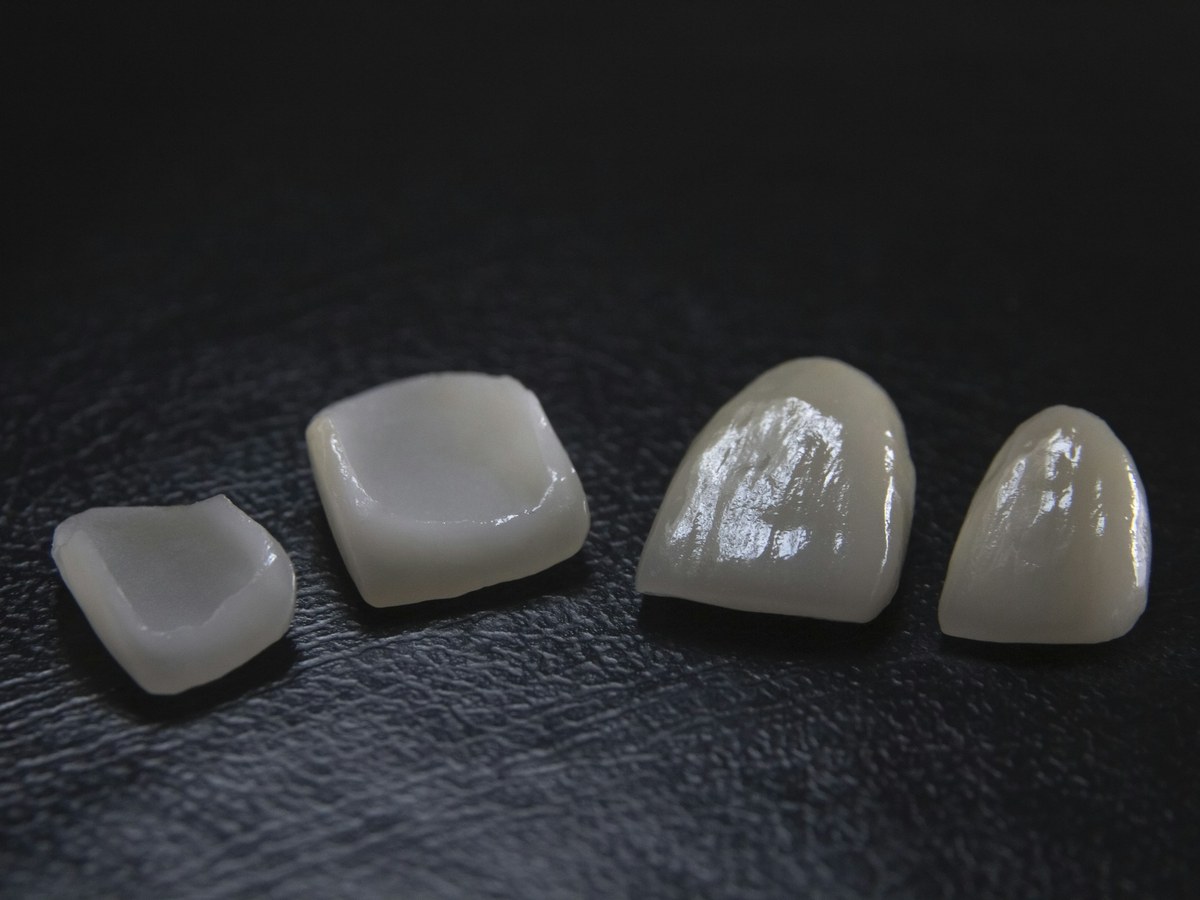
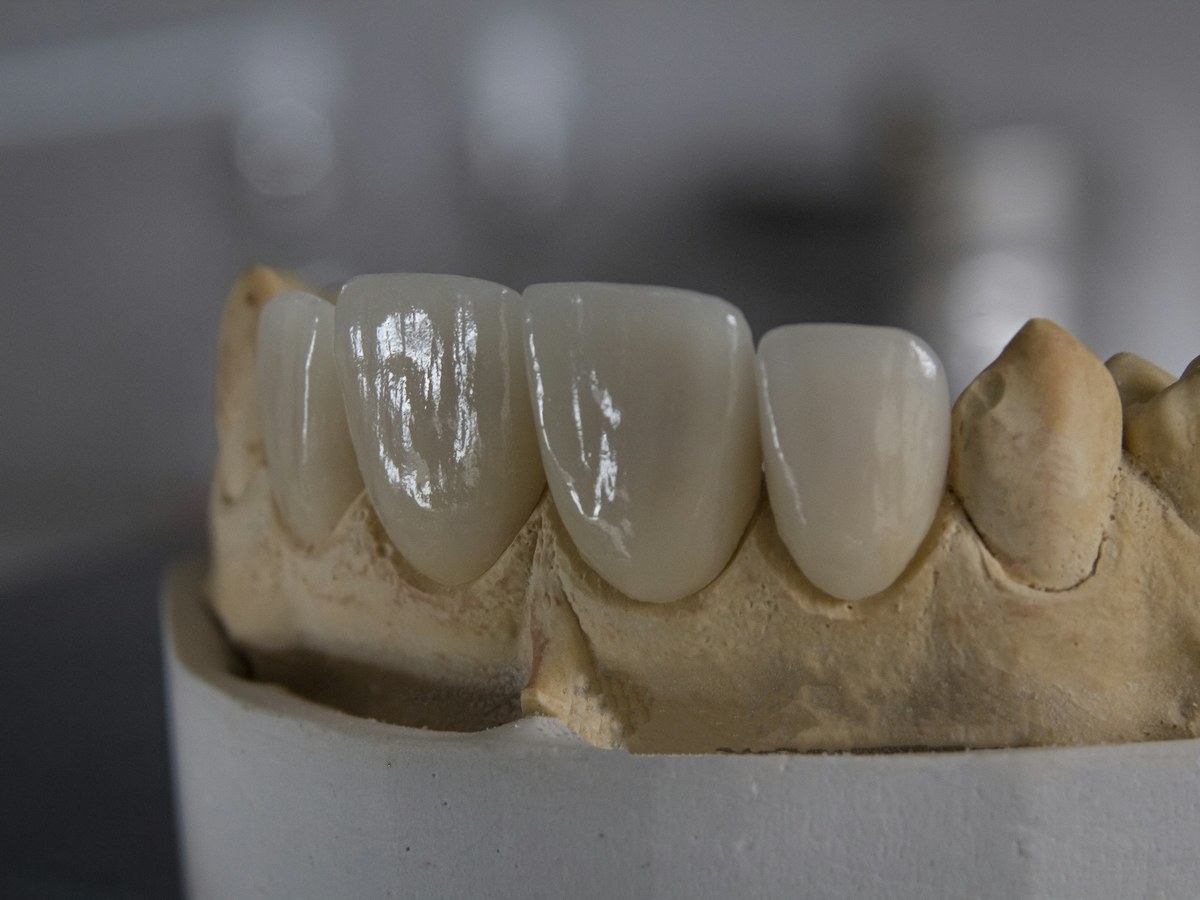
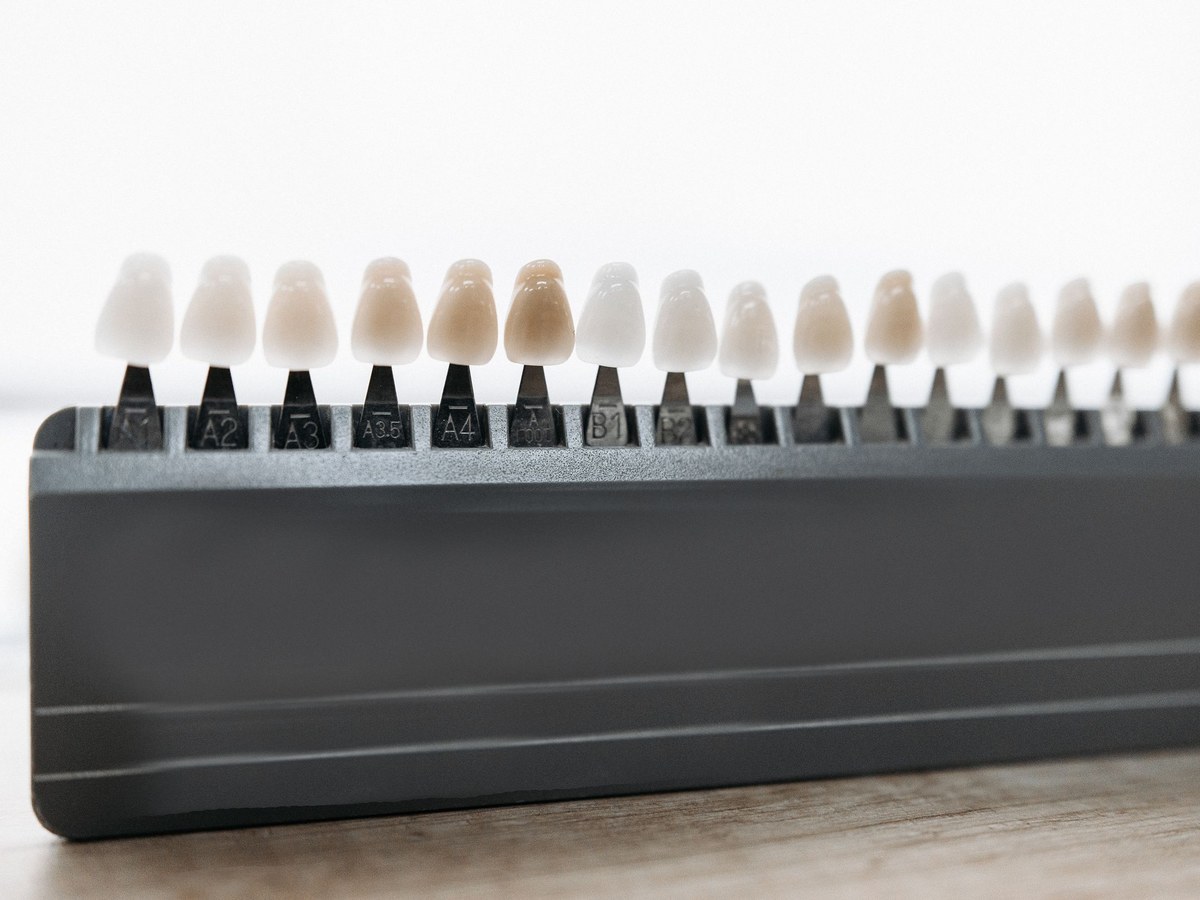
If you are looking into veneers in Oxnard CA, you are probably asking a very specific kind of question: will they actually look natural on my face, my smile, and my teeth, or will they look like dental work?
That is the right place to start. Veneers can be one of the most effective cosmetic treatments in dentistry, but they are not a one size fits all fix. They can brighten dark teeth that whitening cannot touch, refine shape and symmetry, close small gaps, and create a more balanced smile. They can also disappoint people who go into the process with the wrong expectations, or who choose a provider based only on price or speed.
Patients usually do not come in saying, “I want porcelain shells bonded to the front of my teeth.” They say something more personal. They cover their mouth when they laugh. They hate how one front tooth overlaps the other in photos. They have old bonding that keeps chipping. They whitened their teeth three times and still have stubborn discoloration from medications, enamel defects, or old trauma. Veneers often become part of the conversation when simpler options no longer give a good enough result.
The most important questions are not just about cost or appearance. They are about candidacy, longevity, tooth reduction, maintenance, and whether veneers are even the best answer in the first place. Those are the questions worth slowing down for.
What veneers actually are, and what they are not
A veneer is a thin covering, usually made of porcelain or a high strength ceramic, bonded to the front surface of a tooth. Its purpose is cosmetic first, though it can improve function in certain situations. Veneers change what people see when you smile: color, length, width, contour, and often the way light reflects off the teeth.
They are not the same thing as crowns. A crown covers the entire tooth and is often used when a tooth is heavily filled, cracked, root canal treated, or structurally compromised. A veneer is more conservative than a crown because it typically preserves more healthy tooth structure. That matters. In cosmetic dentistry, preserving enamel whenever possible gives the best bonding and often the best long term stability.
They are also not interchangeable with bonding. Composite bonding can do beautiful work, especially for small chips, edge repairs, and minor reshaping. It is less invasive and usually less expensive. But it can stain more easily, wear faster, and may not deliver the same lifelike depth and polish as porcelain over time.
A lot of confusion comes from social media. Online before and after photos often show dramatic smile changes without showing the details behind them. Some of those cases involve orthodontics first. Some involve gum contouring, whitening on untreated teeth, replacing old fillings, or using crowns rather than veneers. The label “veneers” gets used loosely, and that makes patients think the process is simpler than it is.
Who is a good candidate for veneers
Good candidates generally have healthy teeth and gums, a stable bite, and cosmetic concerns that veneers can realistically solve. The strongest veneer cases tend to involve one or more of the following: intrinsic staining that does not respond to bleaching, worn or chipped edges, small spaces between teeth, uneven tooth shapes, or front teeth that are slightly misaligned but not severely crowded.
What matters just as much is what is happening beneath the surface. If someone has active gum disease, untreated decay, or heavy grinding, veneers move down the priority list. Cosmetic work placed on an unhealthy foundation tends not to age well.
There is also a judgment call with alignment. Mild rotation or crowding may be improved with veneers, but severe misalignment usually Veneers Oxnard CA needs orthodontic treatment first. Trying to “fake straight” with aggressive tooth reduction often leads to bulky contours or overprepared teeth. A short course of clear aligners before veneers can sometimes produce a better and more conservative result than veneers alone.
Age matters less than tooth condition and maturity. Younger patients can be poor veneer candidates if their teeth are still changing, their bite is unstable, or the pulp chambers are large. On the other hand, adults in their forties, fifties, and sixties often do very well if their goals are clear and their oral health is sound.
Are veneers permanent?
This is one of the most important questions, and the honest answer is yes, in the sense that once teeth are prepared for traditional veneers, you are committed to having them maintained or replaced in the future.
That does not mean every veneer requires heavy shaving of the tooth. Conservative preparation techniques exist, and in select cases “minimal prep” veneers are possible. But the word minimal is not the same as zero. It also does not mean better in every situation. If a veneer is too bulky because not enough space was created, the result can look thick and unnatural near the gumline.
Patients sometimes ask about “no prep” veneers because they sound appealing. They can work in very limited cases, usually where teeth are naturally small, set back, or have spacing that allows material to be added without making the smile look overbuilt. In many average cases, true no prep is not the right choice. The better question is not, “Can I avoid all preparation?” It is, “How can we preserve as much healthy enamel as possible while still creating a result that looks believable?”
How long do veneers last in real life
Porcelain veneers are durable, but they are not forever. In real practice, many last well over 10 years, and some last much longer when case selection, bite design, home care, and material quality all line up. Still, no ethical dentist should frame them as a lifetime procedure with no maintenance.
The lifespan depends on several factors: how much enamel the veneer is bonded to, whether the patient clenches or grinds, how well the bite distributes force, whether gum health stays stable, and whether habits like chewing ice or opening packages with teeth are part of daily life.
A patient with a calm bite, good home care, and regular cleanings may get excellent mileage from veneers. A patient who grinds heavily at night and never wears a guard can chip an edge surprisingly quickly. That is not a failure of the concept of veneers. It is often a mismatch between the restoration and the forces placed on it.
When veneers fail, they do not always “fall off.” More commonly, dentists see edge wear, small fractures, gum recession that exposes margins, staining around the edges, or underlying decay if hygiene has been poor. Replacement is sometimes about function, sometimes about appearance, and often about both.
Will they look too white or too perfect?
They can, if they are designed that way.
Natural looking veneers are not just about choosing an off white shade. They depend on proportion, translucency, surface texture, edge character, and how the teeth fit the patient’s face. Real teeth are not flat blocks of uniform white. They reflect and transmit light differently from the neck of the tooth to the edge. They have tiny variations that keep them from looking artificial.
This is where planning matters. Patients often bring photos of smiles they like, and that can be useful, but copying someone else’s smile exactly rarely works. A smile that looks elegant on a narrow face may look oversized on a broader one. A very bright shade can look great on camera and too stark in daylight. The best cosmetic work tends to look obvious only in the sense that the person appears healthier, more rested, more confident. People notice the overall impression before they notice the dentistry.
In consultations for veneers in Oxnard CA, one of the most productive discussions is not “How white can we go?” but “What kind of result do you want to live with every day?” Some patients want a polished, high glamour look. Others want a quiet refinement that even close friends cannot quite identify. Neither is wrong. Problems start when the style is never discussed clearly.
How many veneers do you need?
There is no universal number. Some patients need only one or two veneers to repair trauma or correct isolated issues. Others do best with four, six, eight, or ten, depending on how wide their smile shows and whether color matching adjacent teeth is realistic.
Single veneer cases can be the most technically demanding because matching one tooth to its neighbors is harder than making a group of teeth look consistent with each other. A central incisor, especially, leaves very little room for error. Tiny differences in shade, translucency, line angle, or length become visible quickly.
For broader smile makeovers, the number of veneers often depends on which teeth show when the patient talks and smiles naturally, not when they force a wide grin for a photo. A careful evaluation should include photos, bite analysis, and a conversation about lip dynamics, because those determine what actually appears in everyday life.
Does getting veneers hurt?
Most patients do not describe the process as painful, though some soreness or sensitivity can happen. The appointment for tooth preparation is usually done with local anesthetic, so the work itself is manageable. Temporary veneers, if used, may feel a little strange for a few days because they are not as polished or strong as the final restorations.
Sensitivity between visits varies. Some people feel almost none. Others notice temporary cold sensitivity, especially if the teeth were already prone to it. Once final veneers are bonded, that sensitivity usually settles, though each case is different.
The bigger issue Veneers Oxnard CA oxdentistry.com is often not pain, but adjustment. New veneers can feel slightly different against the lips or during speech for a short time. Most patients adapt quickly, especially if the contours are well designed. The teeth should not feel oversized or obstructive after that brief adjustment period. If they do, that deserves attention.
What the process usually looks like
While each office has its own workflow, veneer treatment generally moves through a few distinct phases. The better practices do not rush this part, because design and communication are where the best results are won.
- Consultation and records, including photos, exam, and a discussion of goals, alternatives, and limitations.
- Planning, which may include digital imaging, a wax up, or a mock up so you can preview shape and proportion.
- Tooth preparation and temporaries, if preparation is needed and same day delivery is not part of the plan.
- Final placement, where fit, shade, bite, and polish are checked before the veneers are bonded.
- Follow up and maintenance, especially if a night guard is recommended.
That middle planning stage is often skipped in bargain marketing, yet it is one of the best indicators of quality. A mock up can reveal whether the proposed teeth feel too long, too square, too bright, or too bulky before the final ceramics are made. It saves guesswork.
Are veneers better than whitening, bonding, or Invisalign?
Sometimes yes, sometimes absolutely not.
Whitening is the most conservative place to start if the main complaint is generalized yellowing and the teeth are otherwise well shaped. It does not change alignment or form, but it can make a big difference for the right patient at a far lower cost.
Bonding can be excellent for smaller corrections. It can close tiny spaces, repair chips, soften sharp corners, and improve symmetry without sending impressions to a lab. It is technique sensitive and usually requires occasional maintenance, but it preserves tooth structure.
Invisalign or other clear aligner therapy often makes more sense when the complaint is really about crowding or spacing rather than color or shape. Straightening teeth first can reduce or even eliminate the need for veneers. Many people are surprised to learn that a few months of orthodontic movement followed by whitening and maybe minor bonding produces a cleaner, more conservative result than veneers alone.
Veneers become attractive when multiple problems overlap, especially color, shape, wear, and minor misalignment together. That is when they can do in one treatment what several other approaches would struggle to accomplish.
What do veneers cost in Oxnard?
Fees vary widely by provider, material, case complexity, and whether the treatment includes records, temporaries, laboratory artistry, bite adjustments, and follow up care. It is safer to think in terms of a range rather than expect a single standard price for veneers in Oxnard CA.
A low advertised fee can leave out important components. A more comprehensive fee may reflect better planning, a higher quality lab, more chair time devoted to esthetics, and a more customized process. In cosmetic dentistry, the visible result is not the only thing you are paying for. You are also paying for decision making, restraint, communication, and the experience to know when veneers are the wrong recommendation.
Patients understandably want a straightforward answer on cost. That answer only has meaning after the dentist determines how many teeth are involved, whether gum treatment or orthodontics should come first, and what kind of materials and design are appropriate. A quote without diagnosis is usually marketing, not treatment planning.
What questions should you ask at the consultation?
This is where patients can protect themselves from regrets. A good consultation should leave you better informed, not pressured. You should come away understanding not only what the dentist can do, but also what they would choose not to do.
Ask questions that reveal judgment, not just pricing. Useful examples include the following:
- am I a good candidate for veneers, or is there a more conservative option
- how much tooth structure would likely need to be removed
- can I preview the shape before the final veneers are made
- what happens if I grind my teeth or chip a veneer
- how do you decide how many teeth to treat
Those questions do more than gather information. They show whether the clinician is thinking in terms of long term oral health or just selling a cosmetic procedure.
How do you care for veneers after they are placed?
Veneers do not get cavities, but the teeth underneath and around them still can. Gum tissue around veneers can also become inflamed if plaque control is poor. Maintenance is ordinary dentistry, done consistently.
Brush thoroughly with a nonabrasive toothpaste. Floss carefully every day. Keep regular hygiene visits. If you clench or grind, wear the night guard you were given. This point alone can protect a significant investment. Dentists see plenty of beautiful veneer cases shortened by preventable nighttime force.
Be thoughtful about habits. Biting fingernails, chewing pens, tearing open packaging, or crunching ice puts unnecessary stress on front teeth, natural or veneered. If you play contact sports, a protective mouthguard is sensible. If you drink a lot of coffee, tea, or red wine, porcelain will resist staining better than composite, but your surrounding teeth may darken over time, which can change the overall color harmony.
What can go wrong, and how often does that happen?
Most veneer cases go well when they are planned carefully, but honest counseling includes the downsides. Veneers can chip. Margins can become visible if gums recede. A bite can feel off and need adjustment. A very white smile can feel exciting at first and too stark later. Occasionally, a patient realizes that what bothered them most was alignment, not color, and wishes they had done orthodontics first.
Some of the hardest cases to fix are not technically poor in a dramatic sense. They are simply overdone. Teeth made too long, too opaque, or too uniform can age a face rather than flatter it. Cosmetic dentistry fails quietly more often than it fails catastrophically. The work stays attached, but the person never quite feels like themselves.
That is why the best veneer dentists tend to be measured. They ask for old photos. They study how the lips move. They pay attention to speech sounds. They look at the gums from multiple angles. They discuss what the patient likes about their current smile, not only what they dislike. Preserving identity is part of esthetics.
Why local experience matters in cosmetic dentistry
Choosing a nearby provider is not only about convenience. With cosmetic work, follow up matters. Small refinements sometimes make the difference between good and excellent, especially after the patient lives with temporaries or finals for a short time. Being able to return for an occlusal adjustment, polish, or discussion without major travel helps.
When patients search for veneers in Oxnard CA, they often compare websites full of polished before and after images. Those can be helpful, but they are not enough. What you want is a provider who listens carefully, explains trade offs without dodging them, and can show consistency in conservative, natural looking work. Laboratory partnership also matters more than most patients realize. A skilled ceramist can translate subtle design goals into restorations that have life and dimension instead of a flat, monochrome appearance.
If you are comparing offices, pay attention to how they talk about alternatives. Dentists who truly understand veneers are often the first to say when you do not need them.
The smartest mindset to bring into the decision
Think of veneers as a tool, not a trend. They are neither a miracle nor a mistake by default. In the right case, they can change how a person feels every time they smile, speak, or see themselves in photos. In the wrong case, or done for the wrong reasons, they can lead to years of maintenance and second guessing.
The most satisfied patients usually share a few traits. They understand that veneers are elective but not casual. They care about fit and function as much as shade. They are willing to hear “not yet” if gum health, grinding, or alignment needs attention first. And they choose a clinician who treats the smile as part of the whole face, not a set of disconnected teeth.
That is the heart of good cosmetic dentistry. Not bigger, brighter, or faster. Just appropriate, durable, and believable. If you are exploring veneers in Oxnard CA, that is the standard worth holding onto.
Oxnard Dentistry
1730 E Gonzales Rd, Oxnard, CA 93036, United States
+1 805-307-8731
FAQ About Veneers Oxnard CA
How long do porcelain veneers last?
Porcelain veneers can last for many years, but they can chip, loosen, or wear over time. Their lifespan depends on factors such as your bite, whether you grind your teeth, and daily care. Regular dental visits let your dentist check their condition.
Are dental veneers permanent?
Traditional veneers often require removing a small amount of enamel, so that change to the tooth is generally irreversible. Veneers can still need repair or replacement. Ask your dentist how much preparation your teeth would require.
How much do veneers cost in Oxnard?
Cost depends on the material, how many teeth you want treated, and whether you need other dental work first. Ask for a written estimate that explains the price per tooth and what is included.